Local Government
Carnarvon
Region
Gascoyne
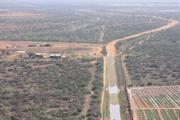
281 Bibbawarra Rd North Plantations
Lot 9002 on Plan 067938
Church of Christ Aboriginal Mission
Carnarvon
Gascoyne
Constructed from 1945
| Type | Status | Date | Documents |
|---|---|---|---|
| (no listings) |
| Type | Status | Date | Documents |
|---|---|---|---|
| (no listings) |
| Type | Status | Date | Grading/Management | |
|---|---|---|---|---|
| Category | ||||
| Municipal Inventory | Adopted | 23 Jun 2015 | Category 3 | |
Aesthetic Value – Importance for the aesthetic character created by the individual components that collectively form a significant precinct. Historic Value – Importance for the density of diversity of cultural features illustrating the human occupation and evolution of the locality. Historic Value – Importance in relation to an event, phase or activity of historic importance in the locality. Social Value – Importance as a place highly valued by the community or cultural group for reasons of social, cultural, religious, spiritual or education associations. The settlement is of particular interest for its association with the work of the early missionaries in the district.
Single level group of buildings and landscaped grounds. Originally established by missionaries.
Inggarda Village, or the Mission as it was originally known, was started in 1945 when an ordained Church of Christ Minister, David Hammer arrived from South Australia to work amongst Aboriginal children from the Native Reserve and bush in the Gascoyne area. Built several miles from Carnarvon on 300 acres of land, the nucleus of the Mission comprised a three roomed building, used at first for storage of food and equipment, whilst Mr Hammer, his wife and assistant worker, lived in small tents until more substantial accommodation took shape. It was a hard and desperate time during those early days when an epidemic of Whooping Cough swept through the Mission population and children had to be nursed in the only quarters available to them – the sundry small tents dotted around the main building. Gradually with the aid of Church of Christ Missionaries, a School was established under the auspices of the Education Department with its own staff and Headmaster. Children were then transported daily to the Primary and High Schools in town in the Village’s own bus, which also served to take them to Church and Sunday School and to take part in various sporting activities in Town. At the Village, children were accommodated in the Cottages scattered amongst shady Tamarisk, Oleander and Poinciana trees and there were House Mothers and Father to care for them. Several small cottages stand apart from the rest of the Village buildings and these housed a number of aged Aboriginal couples in their frail years. The cottages are now in private ownership.
Medium/High
Fair
| Library Id | Title | Medium | Year Of Publication |
|---|---|---|---|
| 519 | Carnarvon. | Book | 1980 |
Individual Building or Group
| Epoch | General | Specific |
|---|---|---|
| Original Use | RESIDENTIAL | Other |
| Present Use | RESIDENTIAL | Other |
| Type | General | Specific |
|---|---|---|
| Roof | METAL | Corrugated Iron |
| Wall | ASBESTOS | Fibrous Cement, flat |
| General | Specific |
|---|---|
| DEMOGRAPHIC SETTLEMENT & MOBILITY | Aboriginal Occupation |
This information is provided voluntarily as a public service. The information provided is made available in good faith and is derived from sources believed to be reliable and accurate. However, the information is provided solely on the basis that readers will be responsible for making their own assessment of the matters discussed herein and are advised to verify all relevant representations, statements and information.